

High Performance Snowboard Gear Essentials
Table of Contents
- High Performance Snowboard Gear Essentials: What Actually Matters
- Snowboard Boots and Bindings: The Foundation
- Snowboard Helmet and Goggles: Non-Negotiable Protection
- Snowboard Jacket and Snow Pants: Weather Defense
- Best Snowboard Accessories for Performance
- Snowboard Gear Checklist: What to Bring
- Common Mistakes When Choosing Snowboard Gear
- Frequently Asked Questions
Last Updated: October 9, 2026
High Performance Snowboard Gear Essentials: What Actually Matters
At the top of a run in subfreezing temperatures, the difference between good gear and great gear is obvious. Your equipment isn't about comfort alone, it's about control, safety, and how long you stay on the mountain. At Cal Surf, the most common mistake we see isn't picking the wrong brand; it's misunderstanding which specs actually change your ride.
Most guides treat snowboard gear essentials like a shopping list: jacket, pants, helmet, goggles, boots, bindings, done. That ignores the real decision points, flex ratings, waterproof ratings, binding response, boot compatibility, the specs that determine whether your gear works for your style or fights you every run.
Performance Criteria That Change Your Ride
Flex rating is the first spec most riders ignore. It tells you how much force the gear requires to bend and respond. Stiffer flex (7-10) demands aggressive input and rewards hard carving. Medium flex (5-6) balances responsiveness with forgiveness.
Waterproof and breathable ratings work together. A 15K waterproof jacket resists 15,000mm of water column before leaking. Breathability (grams per square meter per 24 hours) tells you how much moisture vapor escapes.
Insulation type matters more than thickness. Synthetic (polyester) works when wet; down traps more heat per ounce but loses effectiveness if soaked. For variable conditions, synthetic wins. For dry, cold days, down is lighter and warmer.
Gear Selection by Riding Style and Conditions
Park riders prioritize flexibility and impact protection: bindings that respond quickly to tricks, boots with ankle support for landings, and jacket and pants that allow full range of motion.
All-mountain riders want versatility. Medium-stiff binding flex handles variable snow, and 10K-15K waterproof ratings keep you dry through spring slush. Layering is critical because you'll move between shaded trees and open bowls.
Backcountry riders need gear for untracked snow and variable conditions: stiffer bindings for edge control in deep snow, waterproof ratings above 15K, and non-negotiable avalanche safety gear (transceiver, probe, shovel).
Beginners benefit from softer flex and forgiving geometry. Medium-stiff boots (flex 5-6) are easier to control than stiff boots (8-10).
Snowboard Boots and Bindings: The Foundation
Your boots and bindings are the only contact between you and your board. Get this wrong and every other piece of gear becomes secondary.
Boot Flex Ratings and Skill Alignment
Boot flex correlates to skill level and riding style. The Aura Pro 2.0 from Vans carries a flex rating of 5-6, built for intermediate to advanced riders who want responsive control without demanding perfect technique on every edge.
Fit is equally critical. A loose boot lets your foot slide inside the shell, killing edge control; a tight boot cuts circulation and causes pain within hours. Your heel should sit firmly in the cup without lifting when you flex forward, and your toes should have a thumb's width of space at the toe box.
Binding Response and Terrain Capability
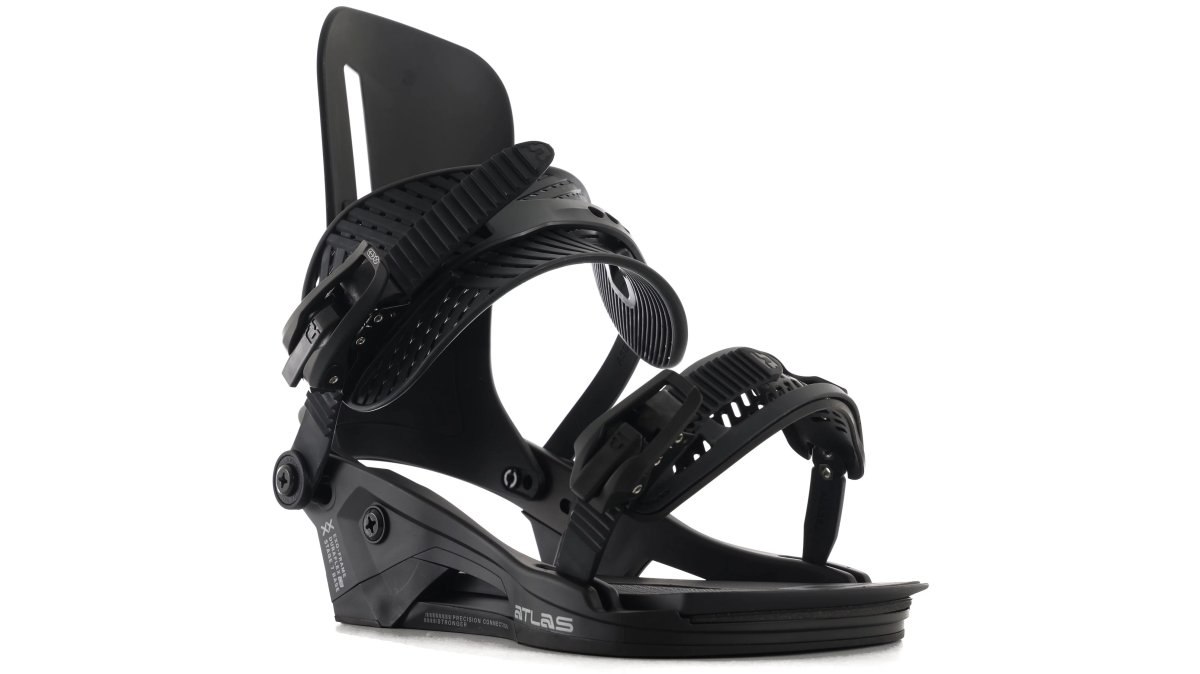
Binding flex determines how much pressure you need to initiate turns and tricks. The Union Atlas binding from Cal Surf delivers medium-to-stiff flex with a Duraflex CB baseplate engineered for precise edge-to-edge response.

Highback angle affects how your ankle and leg engage the binding. Forward lean adjustment (like the tool-less FLAD on the Atlas) lets you customize this on the fly: more lean means more aggressive response, less lean means more comfort for cruising.
Snowboard Helmet and Goggles: Non-Negotiable Protection
A helmet and goggles aren't optional add-ons. They're the difference between a bad fall and a life-altering injury.
Helmet Fit and Safety Standards
A proper-fitting helmet sits level, covering your forehead without tilting back, with the rim just above your eyebrows and room for one finger between the helmet and a fastened chin strap. Certification matters: the Protec Low Pro Snow Helmet from Cal Surf meets both EN 1077B and ASTM 2040 standards, tested for impact absorption and retention. Don't buy helmets without these certifications, they're not actually protecting you. Ventilation affects comfort on long days; the Low Pro includes 11 mesh-covered vents for airflow without compromising warmth.
Lens Technology and Visibility
Lens color determines what light conditions goggles handle best. The Anon Helix 2.0 from Cal Surf comes with a bonus lens: the Stealth lens for bright days and the Sunny Onyx lens for variable light. Perceive lens technology (featured in the Helix 2.0) provides high-contrast vision across light conditions, terrain definition is what prevents crashes. Anti-fog coating is essential; the Integral Clarity Technology in the Helix 2.0 exceeds industry standards, delivering clear vision even when temperature swings from cold outside to warm inside your jacket. Cylindrical lenses (like the Helix 2.0) enhance clarity and maximize vent volume compared to spherical lenses, so you see more coming at you from the sides.
Snowboard Jacket and Snow Pants: Weather Defense
Your jacket and pants are your barrier against cold, wind, and wet. They're also where most riders overspend or underspend.
Waterproof and Breathable Ratings Explained
Waterproof rating measures water column pressure in millimeters: a 10K rating resists 10,000mm before leaking. For resort riding, 10K-15K is sufficient; for backcountry or spring conditions, 15K+ is safer. Breathability rating measures grams per square meter per 24 hours (g/m²/24h); in practice, 8K-15K keeps you dry during moderate activity. The Roan Bib Overall from Cal Surf carries 15K waterproof and breathable stretch construction, handling heavy snow and sweat without becoming clammy, and the bib design extends coverage to your chest. Taped seams prevent water from leaking through stitching, if the listing doesn't mention them, assume they're not sealed. Pit zips (underarm vents) let you dump heat without removing your jacket, essential for spring conditions or high-output riding.
Capita Aeronaut 155cm Snowboard →
Best Snowboard Accessories for Performance
Accessories separate casual riders from people who take their time on snow seriously.
Socks, Base Layers, and Thermal Management
Sock choice matters more than most riders realize. Cotton holds moisture; wool wicks it away. The Premium Snow Sock from Cal Surf uses a wool blend engineered to wick moisture while maintaining cushioning through all-day laps. Base layers should be synthetic or merino wool, never cotton, cotton absorbs sweat and holds it against your skin, dropping your core temperature. Layering strategy matters: start with a moisture-wicking base layer, add an insulating mid layer (fleece or synthetic), and top with your waterproof jacket. Neck gaiters and face masks prevent wind burn and frostbite on exposed skin.
Maintenance and Repair Accessories
Board wax reduces friction and improves speed. The Dakine Indy Hot Wax All Temps from Cal Surf uses synthetic fluorine for performance across temperature ranges; hot waxing is recommended, but you can rub it on in a pinch. A scraper is essential if you wax your board, the 10" Scraper from Cal Surf is twice as wide as standard scrapers, removing old wax in fewer passes. Binding hardware fails, so carry the Dakine Snowboard Binding Hardware from Cal Surf, which includes replacement screws and washers that fit most bindings.

Maintenance Task |
Tool |
Frequency |
Impact |
|---|---|---|---|
Board waxing |
Indy Hot Wax + Scraper |
Every 3-5 days of riding |
Faster speed, better edge hold |
Hardware check |
Dakine Hardware |
Before each trip |
Prevents binding failure |
Boot drying |
Liner removal |
After each day |
Extends boot lifespan, prevents smell |
Goggle cleaning |
Microfiber cloth |
Daily |
Maintains visibility |
Snowboard Gear Checklist: What to Bring
Packing right means you're prepared for the day without carrying unnecessary weight.
Full-Day Mountain Essentials
Start with your base: boots, bindings, board, helmet, goggles. Add jacket and pants, layered over a base layer, mid layer, and thermal socks (the Premium Snow Sock from Cal Surf handles this). Accessories: neck gaiter, gloves or mittens, and a hat that fits under your helmet, most helmets have a lower rear clip (like the Low Pro's goggle-ready design) that keeps your strap aligned. Maintenance: wax and scraper if you plan to wax mid-day, a small hardware set for emergency repairs, and sunscreen for your face. Hydration: a camelback or hydration pack keeps you drinking without stopping, since dehydration at altitude accelerates fatigue. Emergency: a small first aid kit with blister treatment, pain reliever, and bandages.
Budget-Based Buying Priorities
If your budget is tight, prioritize in this order:
- Boots and bindings ($300-400 combined). This is where cheap gear costs you control and comfort.
- Helmet and goggles ($200-250 combined). Non-negotiable for safety.
- Jacket and pants ($250-350 combined). You can layer underneath with less expensive base layers.
- Board ($300-500). A solid mid-range board handles most terrain.
- Accessories ($50-100). Socks, wax, hardware, scrapers.
If you have more budget, upgrade your board to a higher-end model with better flex and construction, invest in premium insulated jacket and pants (15K+ waterproof/breathable), and add multiple lens options for your goggles. The Capita Aeronaut 155cm Snowboard from Cal Surf ($519.99) is a groundbreaking design from Capita's engineering team, built for riders who want performance across varied terrain. Pair it with the Atlas bindings ($319.99) and Aura Pro 2.0 boots ($329.99) for a complete foundation that handles everything from groomers to backcountry.

Common Mistakes When Choosing Snowboard Gear
Most riders make the same errors repeatedly.
Prioritizing brand over fit. A famous brand in the wrong size is useless. Fit always wins.
Ignoring flex ratings. Buying a stiff boot because a pro rider uses it, then struggling to control it.
Confusing waterproof with weatherproof. A 10K jacket stops light snow but fails in heavy spring slush.
Skipping helmet fit testing. Ordering online without trying it on. A helmet that doesn't fit won't protect you.
Buying all gear at once. Your needs change as you improve.
Choosing the right high performance snowboard gear essentials comes down to understanding what specs actually change your ride.
Frequently Asked Questions
What snowboard gear is essential for a full day on the mountain?
Start with a helmet and goggles for safety, then add a waterproof jacket and snow pants rated 10K or higher. Include a snowboard, boots, bindings, wool blend socks, and base layers. Bring wax and a scraper for board maintenance. For intermediate to advanced riders tackling varied terrain, the Aura Pro 2.0 boots ($329.99) and Atlas bindings ($319.99) deliver all-day support without fatigue.
How do you choose snowboard gear for your riding style?
Match your gear to how you ride. Carving and speed require stiffer boots and responsive bindings like the Atlas with its medium-stiff flex. Freestyle tricks benefit from softer, more playful setups. All-mountain riding needs balanced flex. Check skill level too: intermediate to advanced riders handle stiffer boots (flex 5-6), while beginners need flex 3-4. Consider the terrain you'll ride most and select gear rated for those conditions.
Are snowboard helmets and goggles essential?
Yes. Helmets are mandatory for safety and are certified to ASTM 2040 standards. The Low Pro Snow Helmet ($119.99) uses EPS Matrix foam 22% thinner than standard helmets for a secure fit. Goggles protect your eyes from UV rays and improve visibility in changing light. The Helix 2.0 ($119.99) includes a bonus lens and Perceive optics for high-contrast vision in any condition. Both are non-negotiable.
What performance specifications should you prioritize in snowboard boots and bindings?
Boot flex rating determines responsiveness: 5-6 flex suits intermediate to advanced all-mountain riding. Look for dual-zone BOA systems that allow micro-adjustments without tools. Bindings need size-proportionate fiberglass to match your weight and riding intensity. The Atlas bindings use Grade 8.8 hardware and Vaporlite HD bushings for minimal board contact, preserving natural flex and response. Check compatibility with your board's mounting system before buying.
What snowboard accessories are worth bringing on a trip?
Wool-blend socks like the Premium Snow Sock ($33.99) wick moisture and keep feet warm all day. Wax and a scraper maintain board speed; Indy Hot Wax ($23.99) and the 10-inch Scraper ($11.99) handle most conditions. Pack binding hardware ($11.99) as a backup. Base layers and a neck gaiter manage temperature and prevent wind burn. A small repair kit handles common issues. Prioritize socks and wax first; everything else depends on trip length and conditions.